
MA Rangoonwala Dental College

Oral and Maxillofacial Surgery

bnr-arrow-1-1

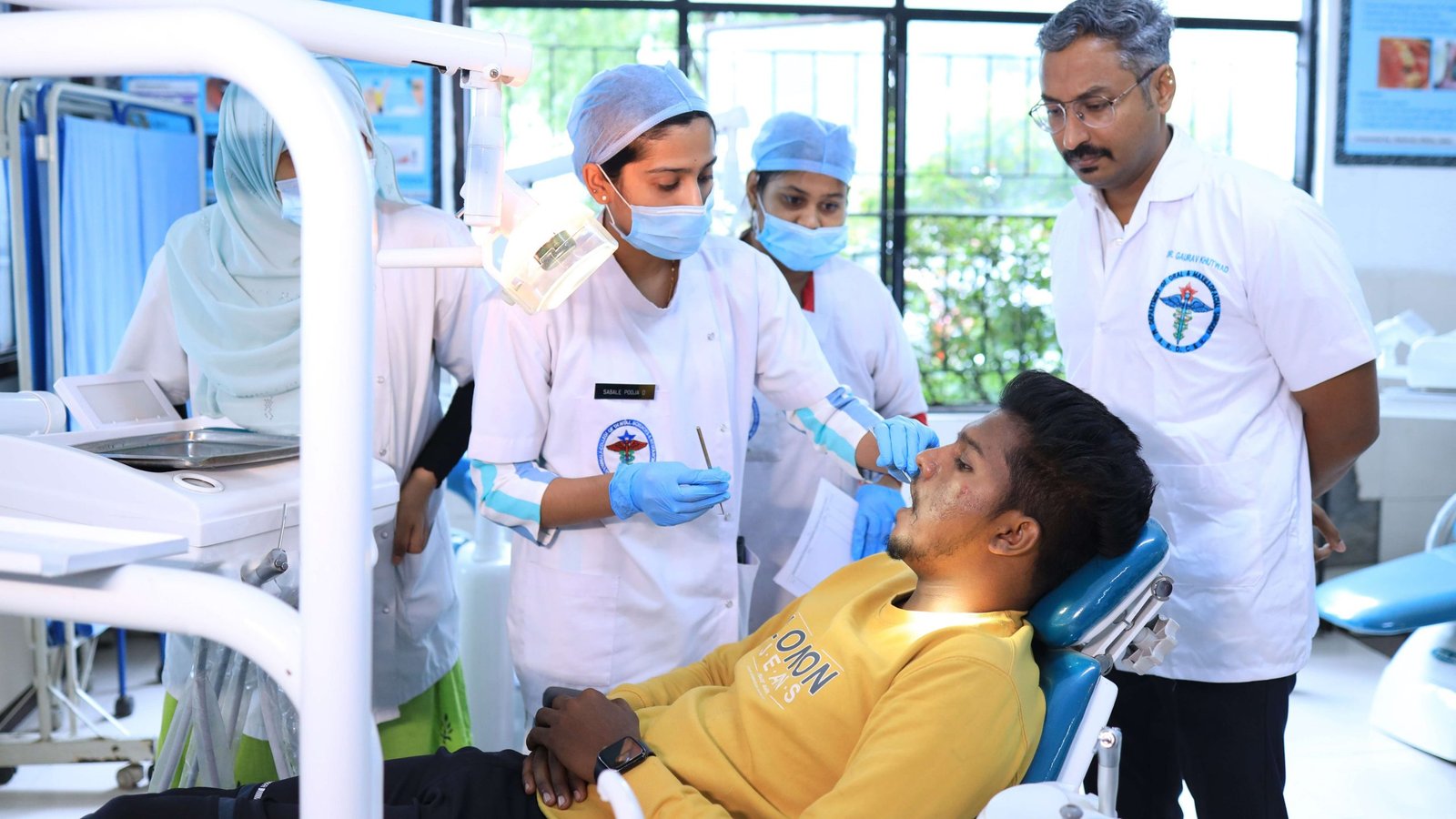
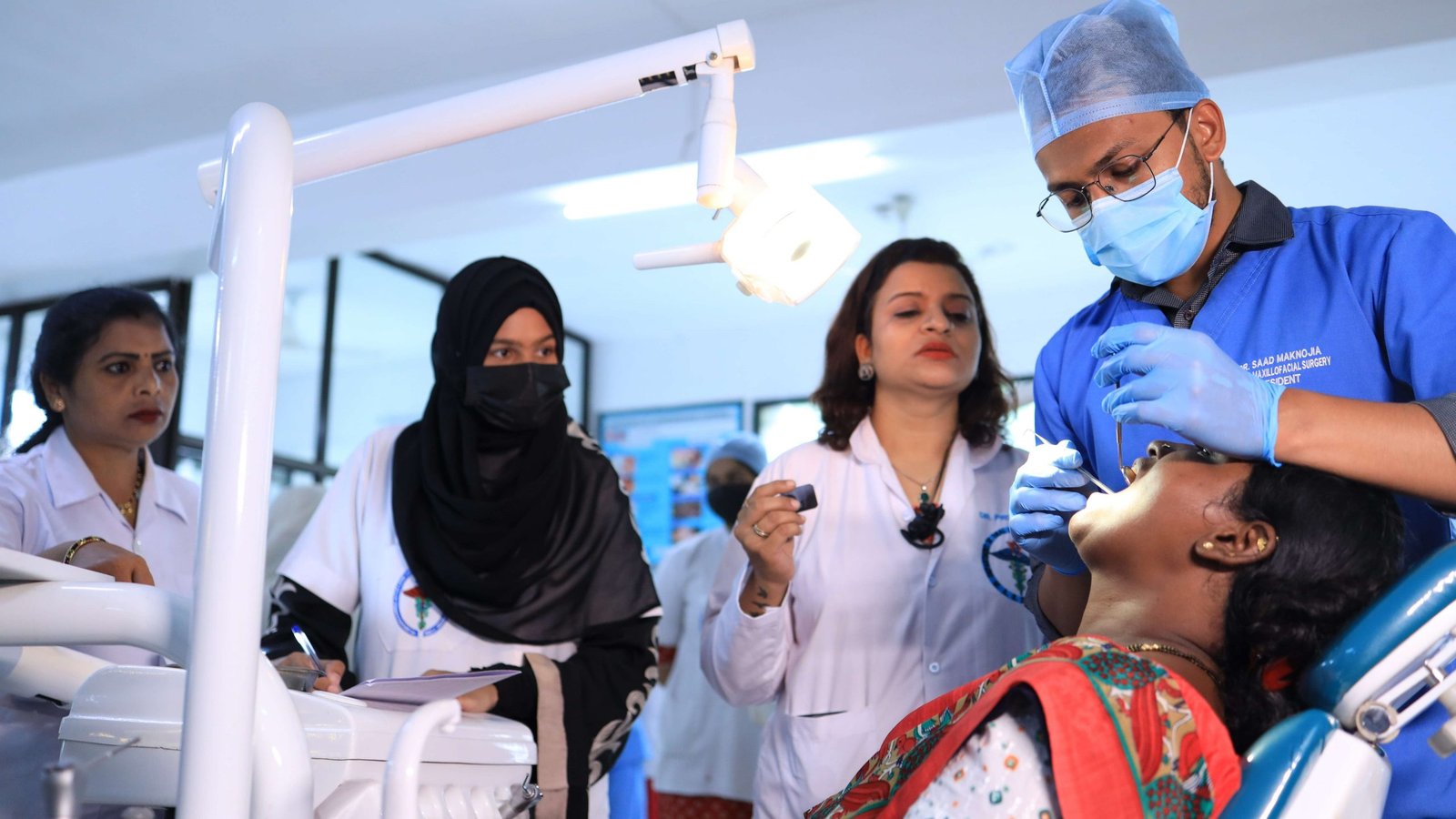
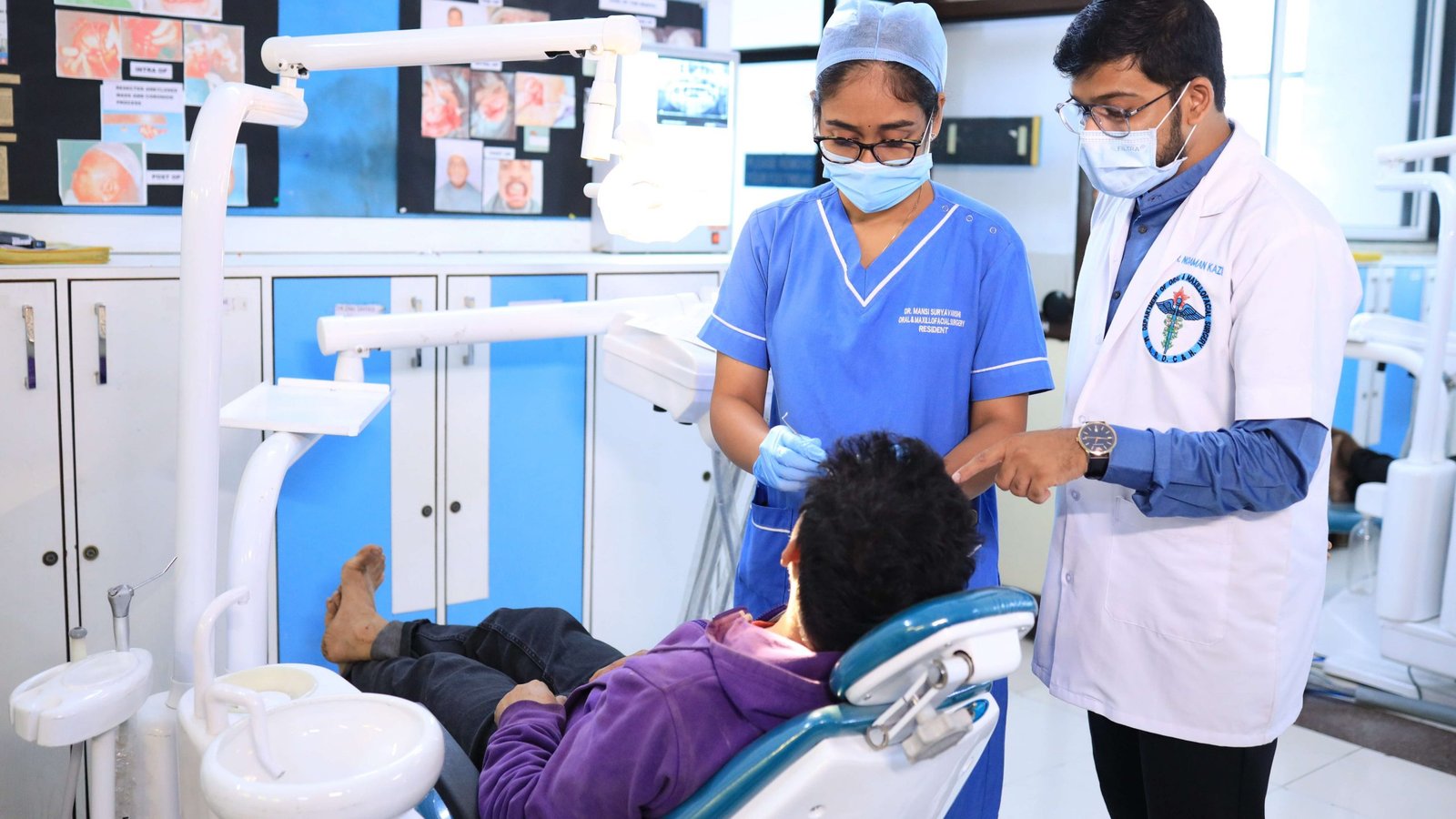
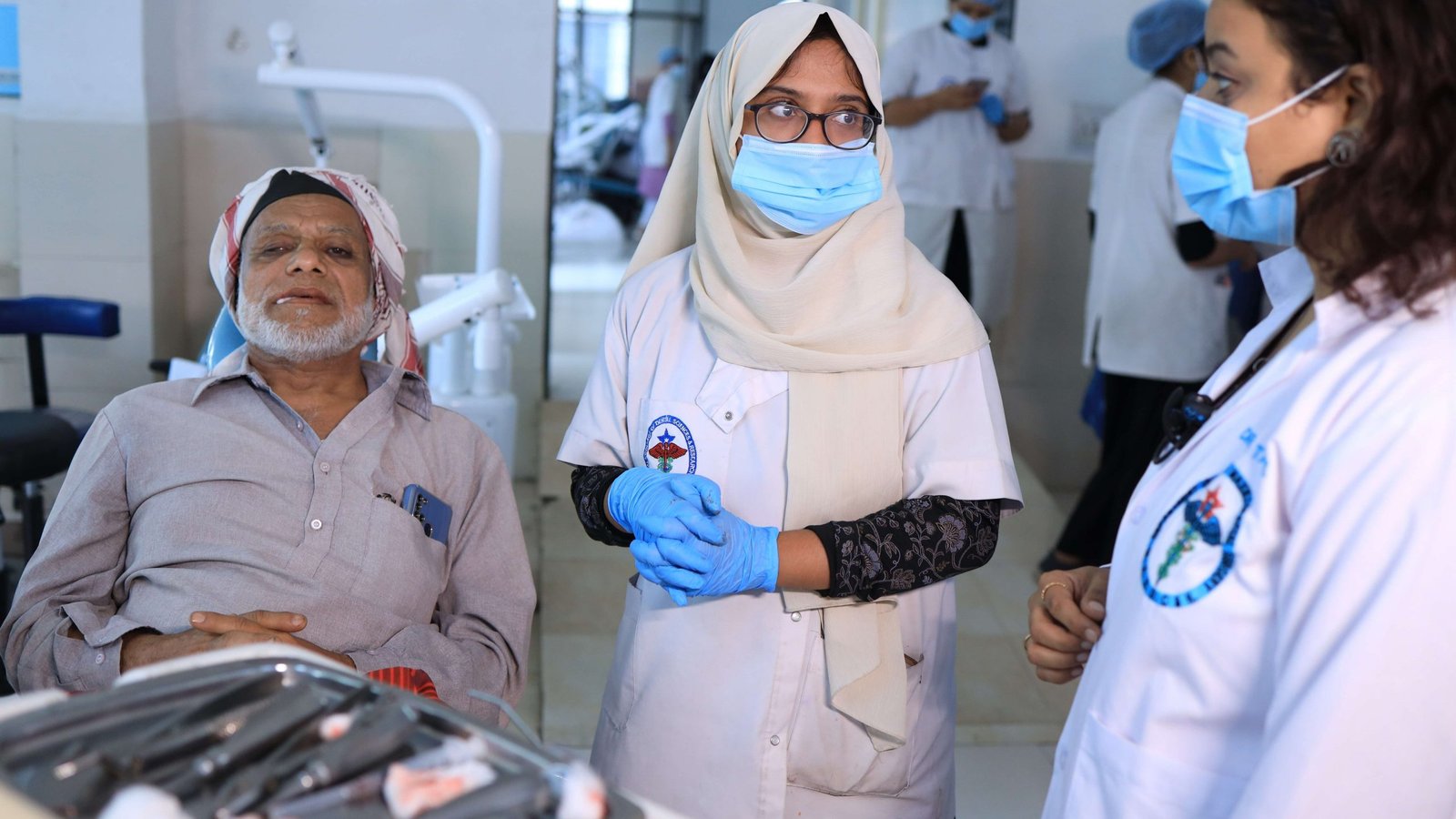
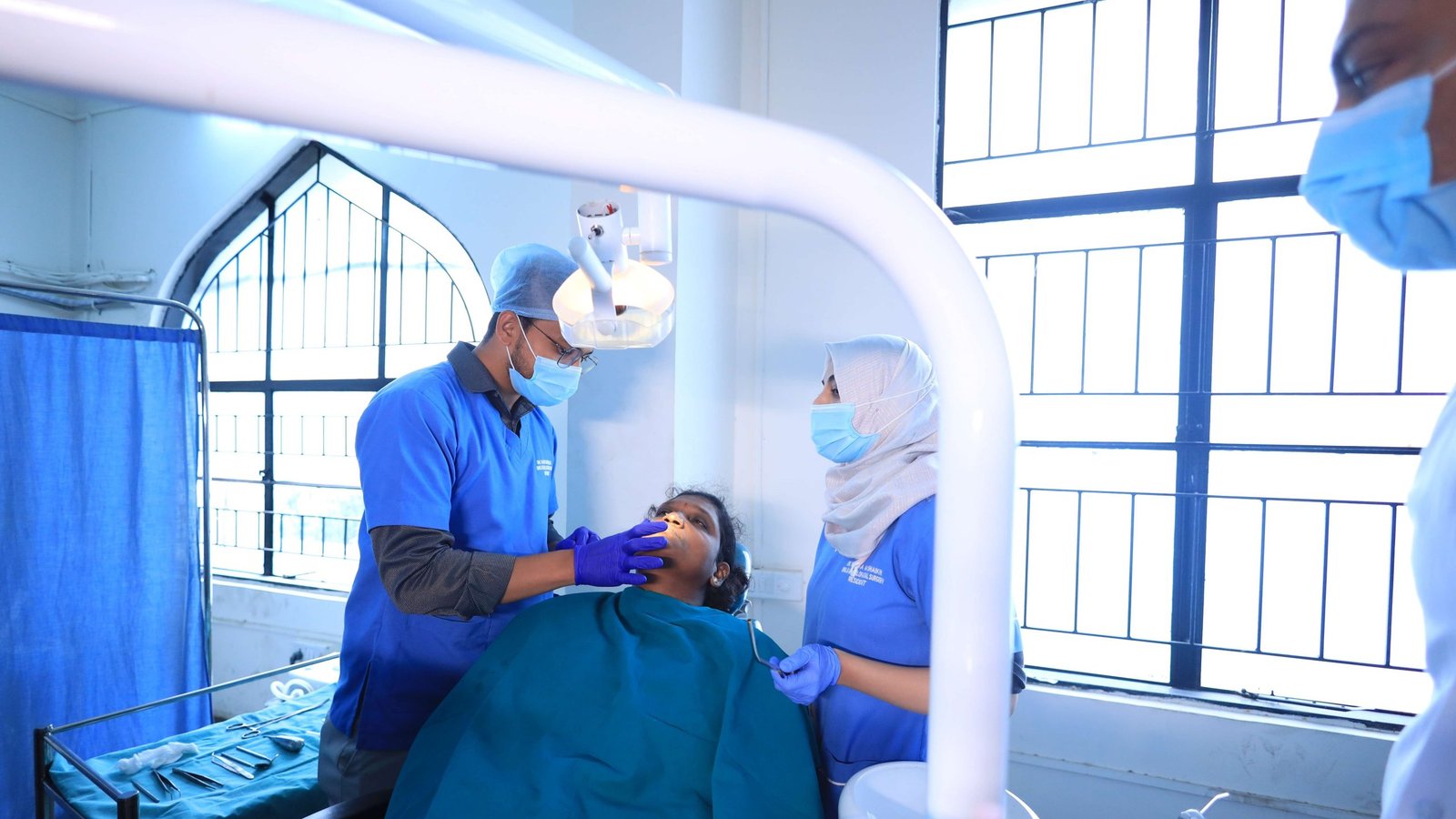
The Department of Oral and Maxillofacial Surgery is divided into three sections. The undergraduate section deals with the basic exodontia requirements of patients. The postgraduate section deals with complex extractions, and minor oral surgeries. Operation theatre complex deals with patients with more complex maxillofacial treatment. Students are exposed to an environment where they obtain both theoretical and practical knowledge under the supervision of well-qualified and efficient teaching faculty.

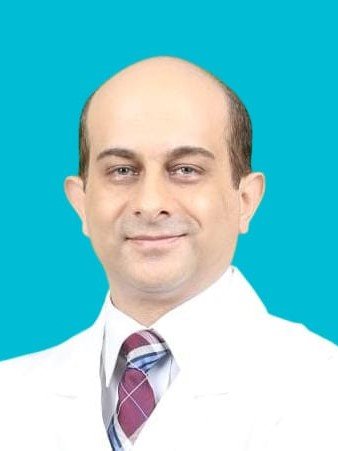
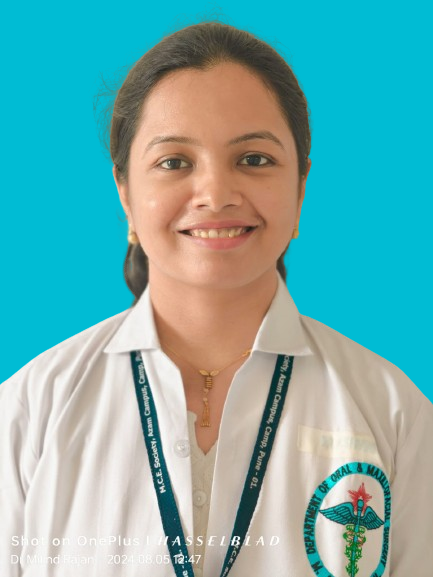
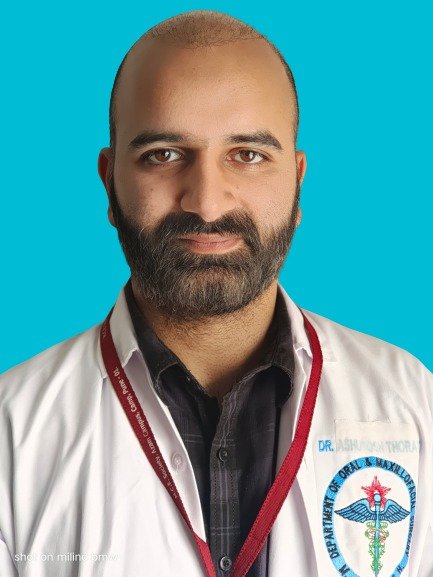
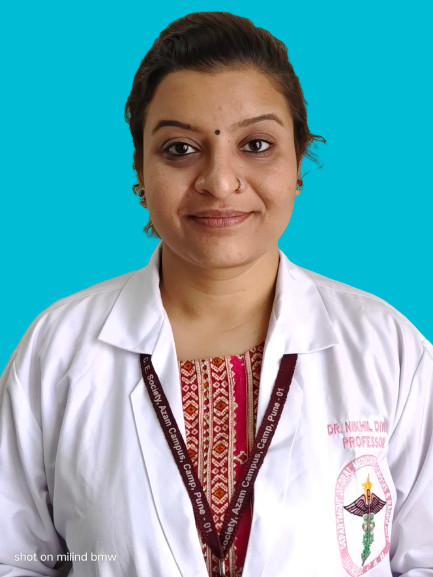
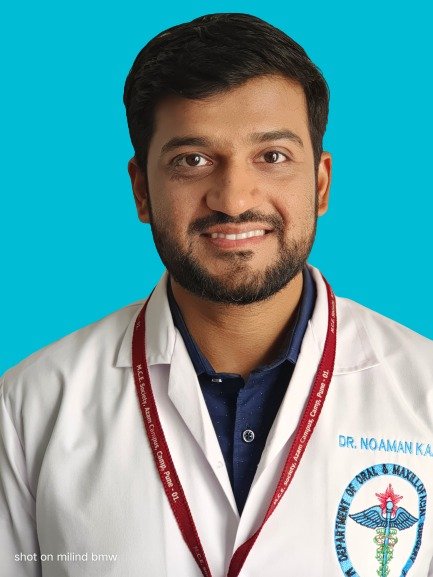
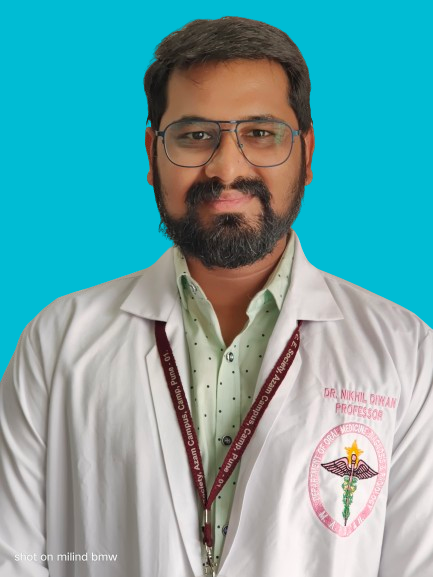
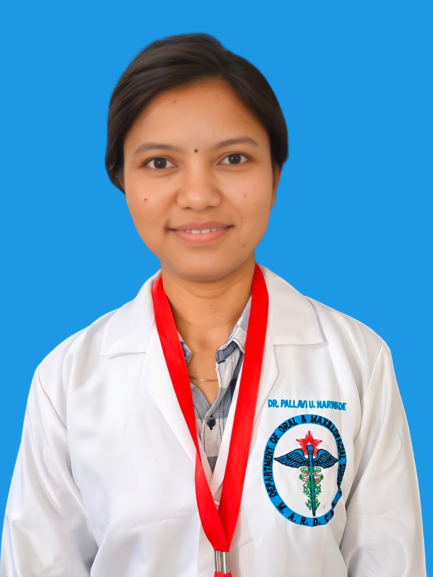
Faculty Members

Special Achievements of the Department

DEPARTMENT

MDS (Post-Graduate)
Dr. Noor Um Munamah Shaikh

Secured 3rd Rank in Poster Presentation Competition at 60th MSDC 2021, Baramati, Pune.

IV BDS (Under-Graduate)
Shruti Biyani

Awarded for securing the Highest Marks in Oral and Maxillofacial Surgery, MUHS University Examination 2019.

MDS (Post-Graduate)
Dr. Aliya Shaikh

Secured 3rd Rank in Paper Presentation Competition at 60th MSDC 2021, Baramati, Pune.

Faculty Milestones

Dr. J. B. Garde
  • Trade Chairman of 10th Annual Maharashtra State Chapter, AOMSI Conference (Feb 2024).
  • Authored Oral Surgery chapter in "Elevate Your Work Game" (2023).
  • Scientific Session Chairperson at National & State levels.
  • Organised National Trauma Awareness Campaign (AOMSI, 2023).
Dr. Numaan Nisar
  • Pursuing PhD (Terna Dental College)
  • MBA in Healthcare Management (DY Patil University)
Dr Shubham Katariya
  • Advanced Training in ZO Skin Health (2023)
  • Master Course in Hair Transplant (MCHT) 2022
  • Fellowship in Facial Aesthetics and Cosmetology (FFAC) 2021
  • Post Graduate Diploma in Clinical Cosmetology. (PGDCC)2021

U.G. Department:

  1. Diagnosis.
  2. Minor oral surgical procedures include:
    • Extraction.
    • Incision and drainage.
    • Primary alveoloplasty.

Hard tissue procedures Impactions

  1. Open extractions.
  2. Alveoloplasties.
  3. Fracture reduction.
  4. Splinting of teeth.
  5. Periapical Surgery Oral & Maxillofacial Trauma Management. 

PG Department Including Major and Minor OT

  1. Surgical procedures: 
  2. Soft tissue procedures: 
  3. Frenectomy.
  4. Cyst enucleation.
  5. Excision of soft tissue lesions.
  6. Incisional biopsies.
  7. Scar revision.
  8. Cleft lip and palate surgeries.
  9. Cosmetic surgeries.
  10. Treatment of premalignant conditions

Orthognathic Surgery (Correction of skeletal deformities) and facial cosmetic surgeries

  1. Management of pathological lesions including hard and soft tissues.
  2. Management of atypical orofacial pain dysfunctions. 
  3. Management of maxillary sinus defects.
  4. Management of Temporomandibular disorders. 
  5. Management of Salivary Gland Disorders.
  6. Oral Cancer Management.
  7. Dental & Craniofacial Implants.
  8. Management of Arteriovenous.
  9. Malformations.

Department Photos

Professor of Practice Program

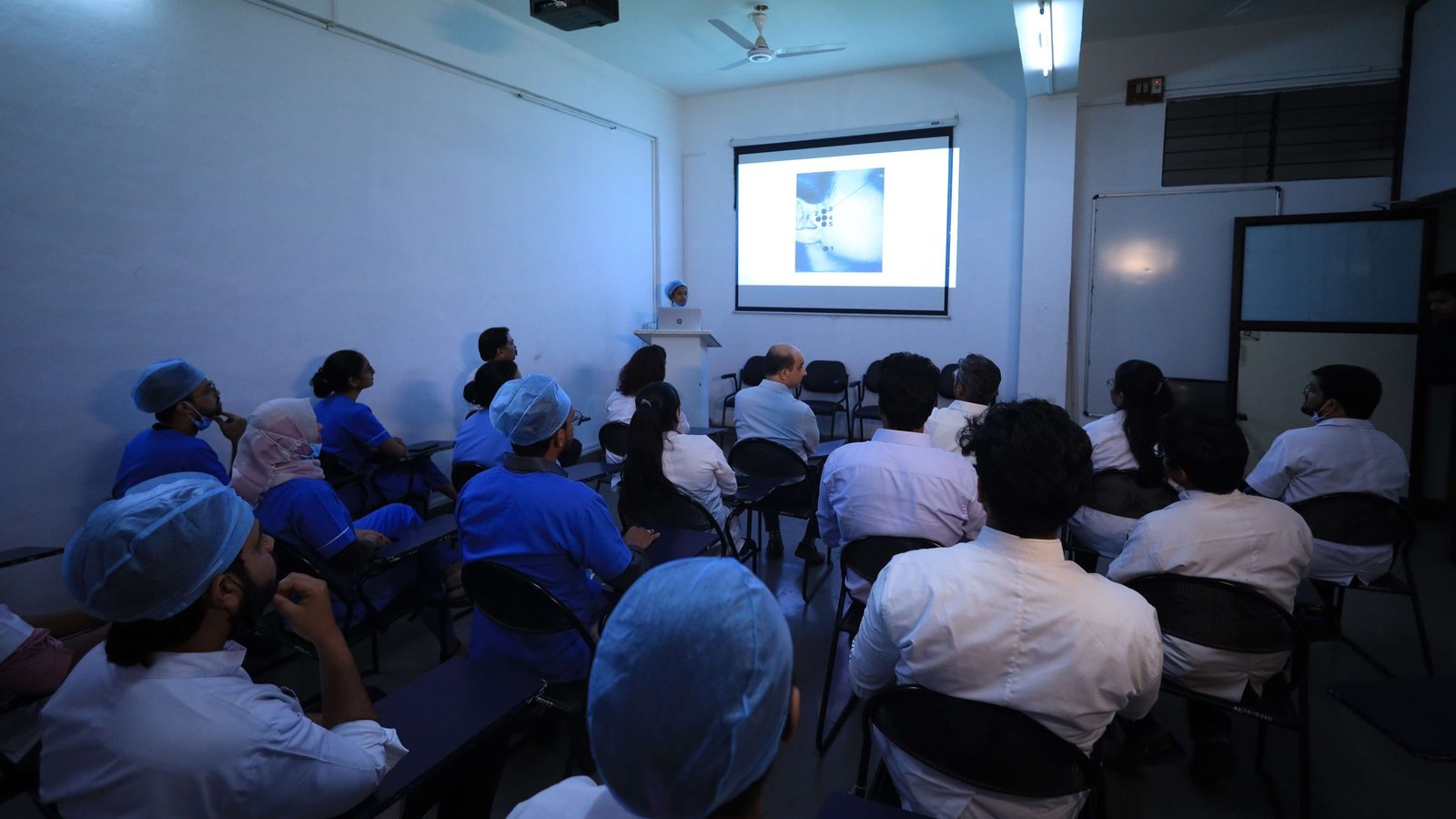
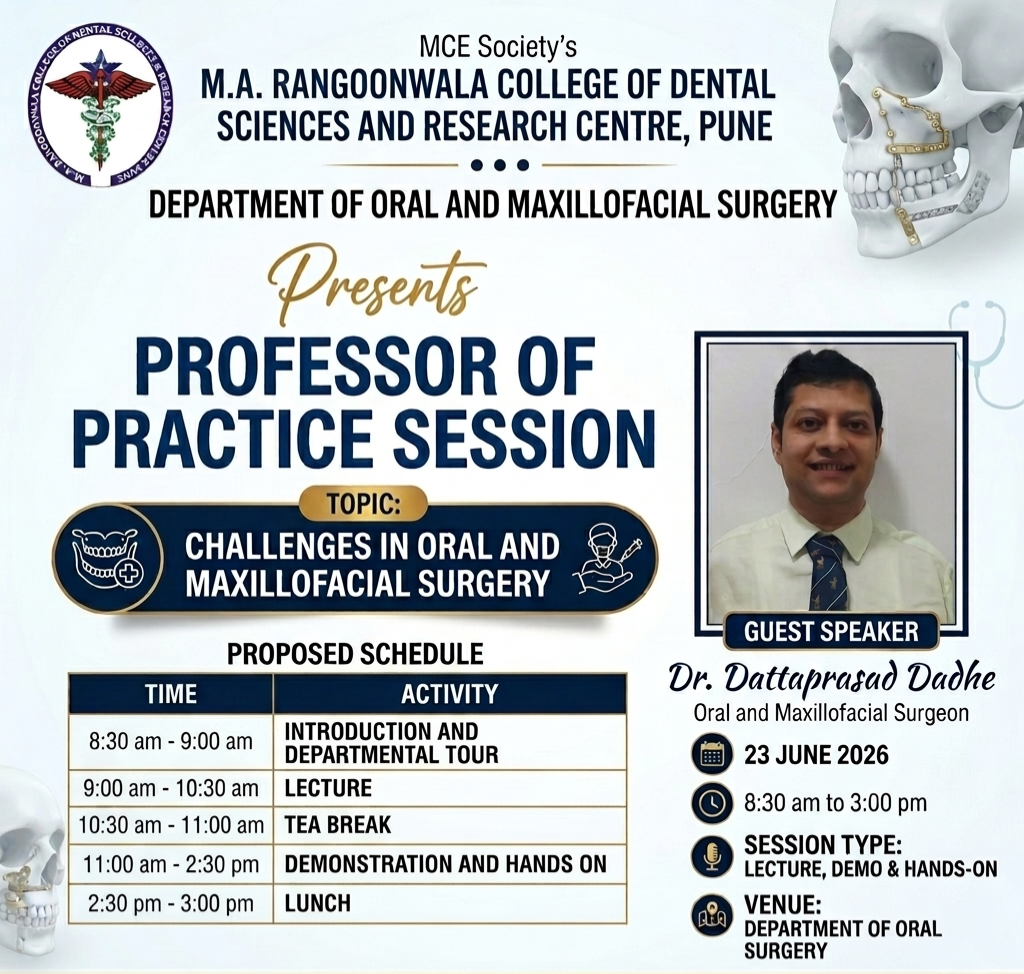
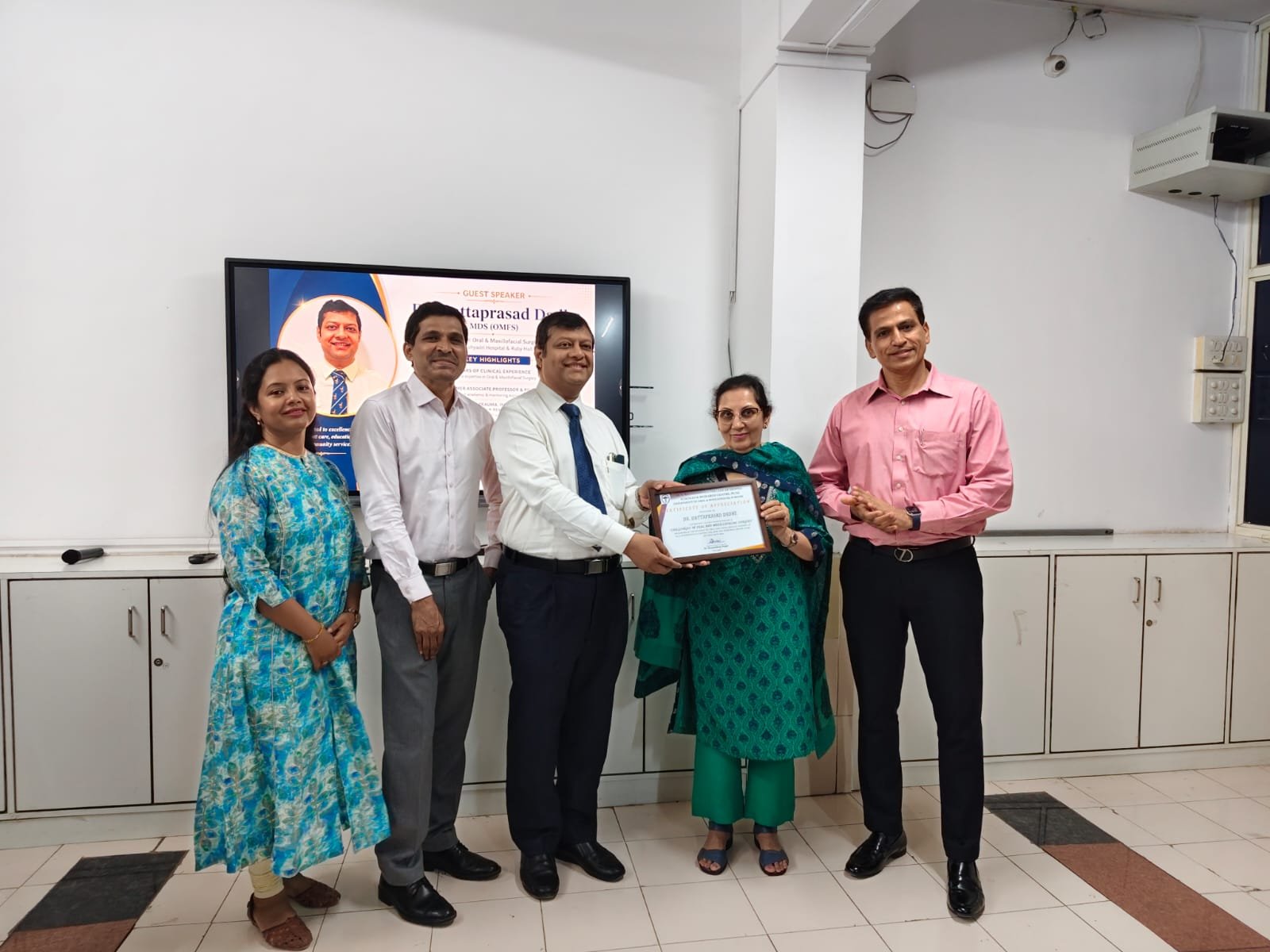
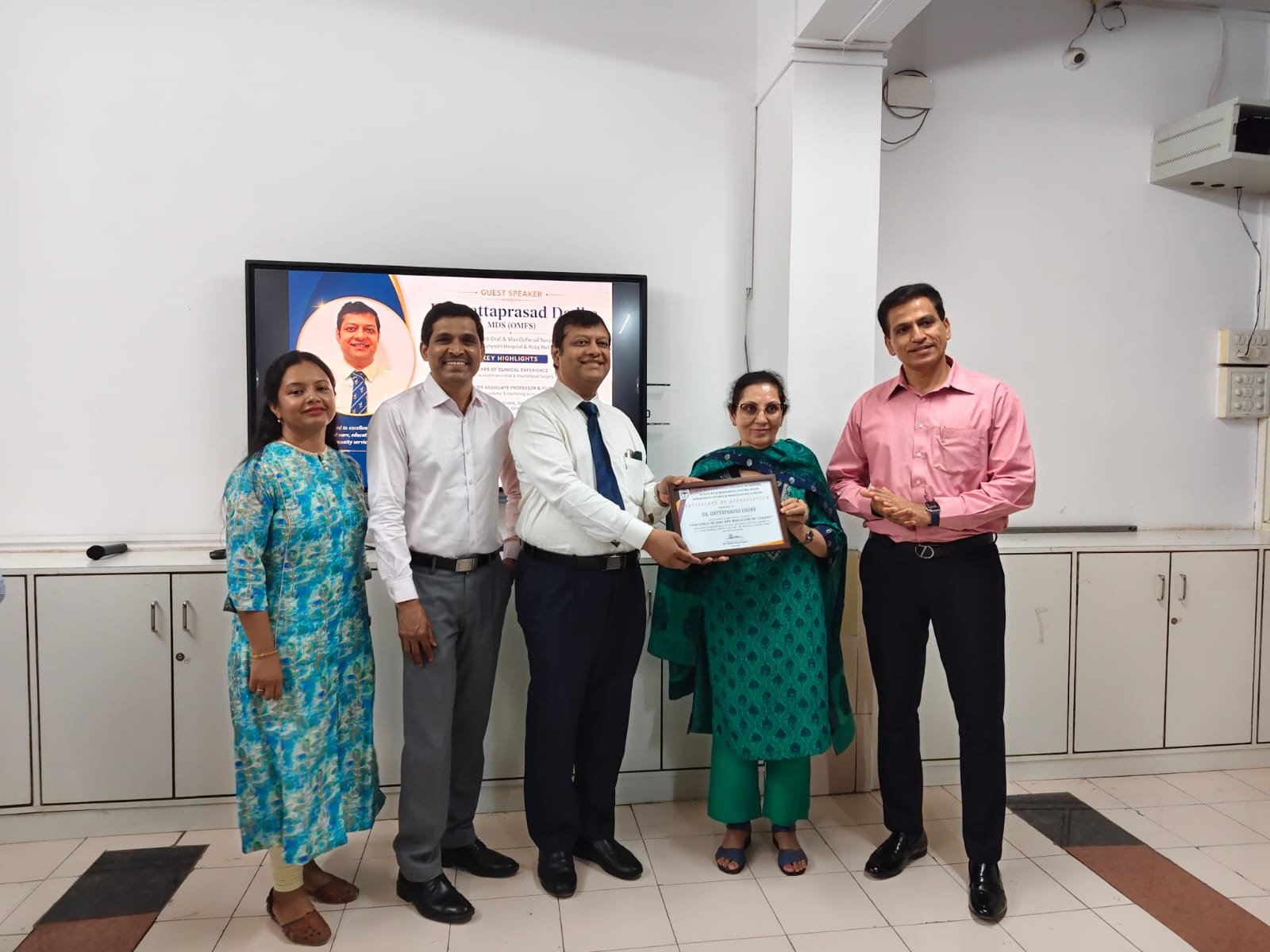
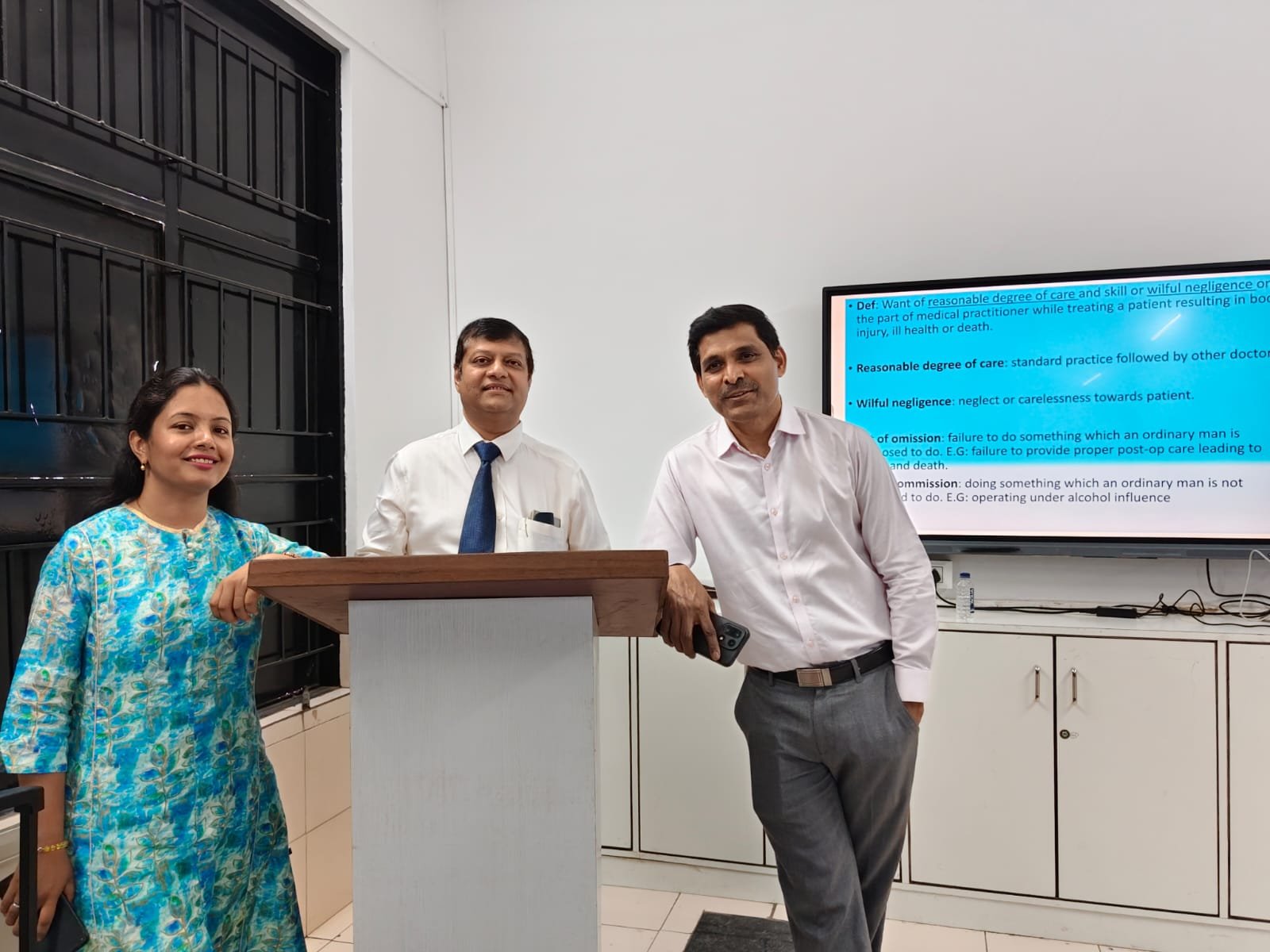
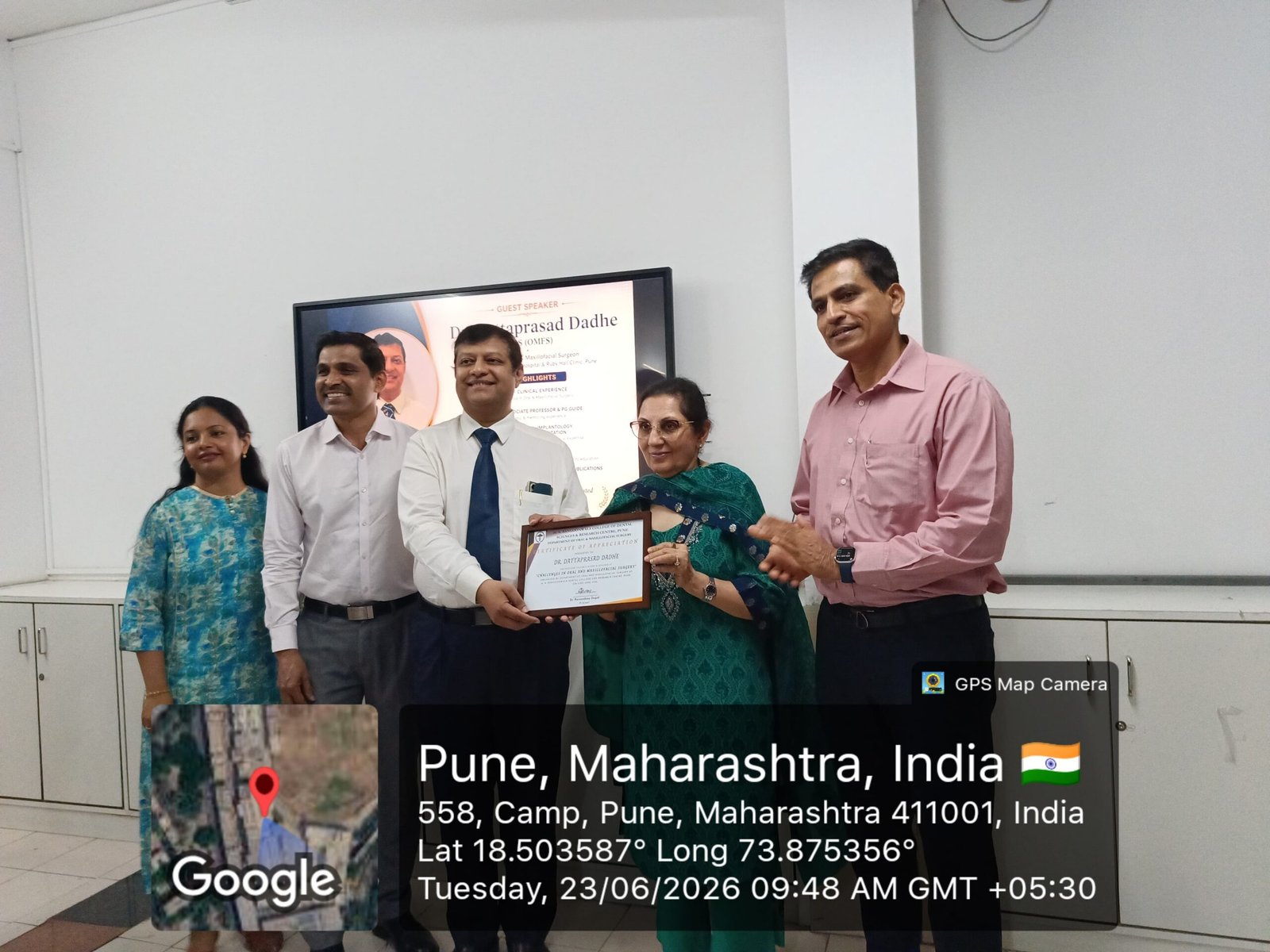
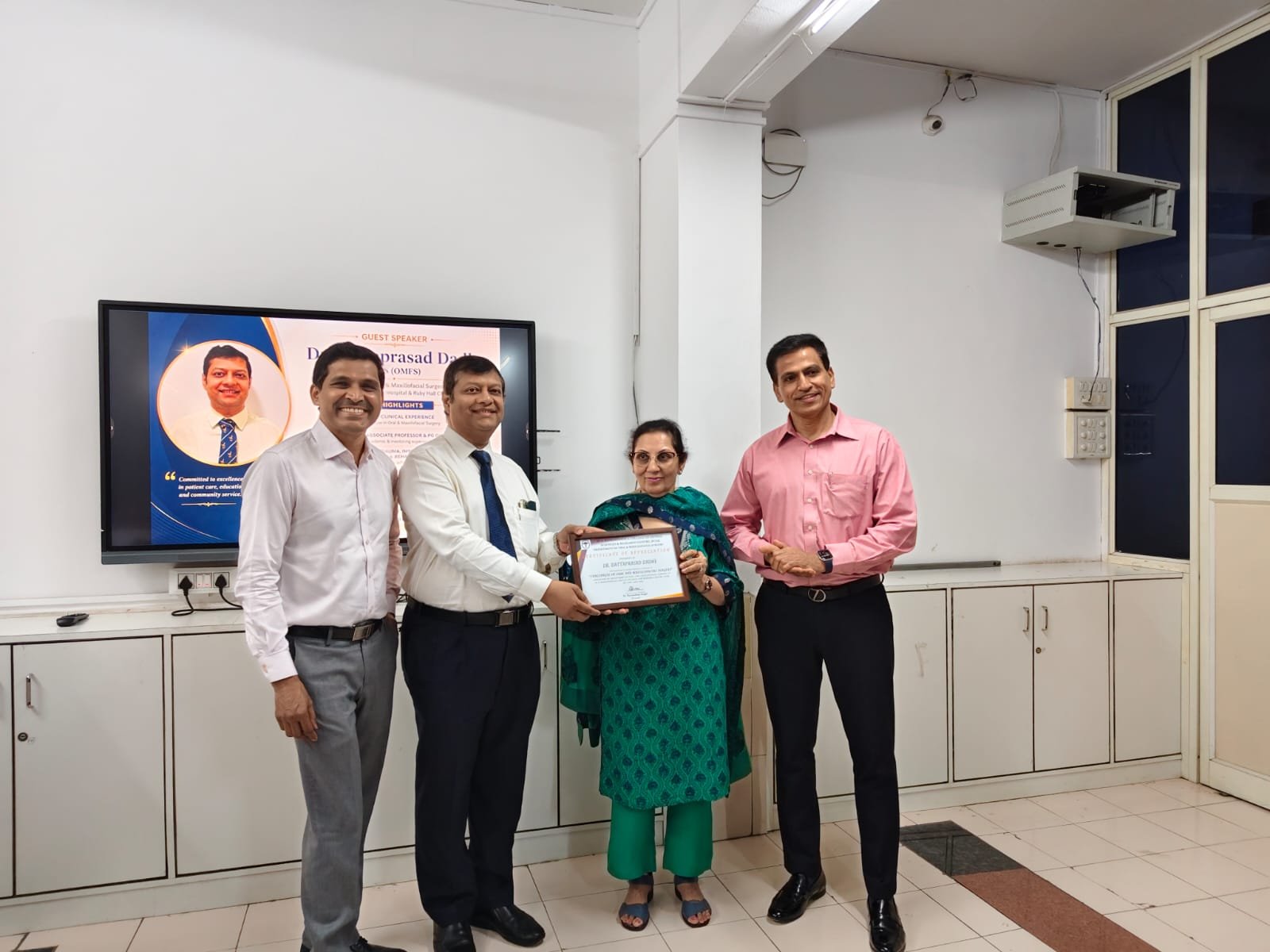
The Department of Oral & Maxillofacial Surgery organized a lecture on “Challenges in Oral and Maxillofacial Surgery” by professor of practice Dr. Dattaprasad Dadhe for the staff and post graduate students of our Oral and Maxillofacial Surgery department. The lecture included an overview of commonly encountered medico- legal cases and their ethical way of management in the dental and surgical practice. The speaker included, Dr. Dattaprasad Dadhe (eminent Oral & Maxillofacial Surgeon and BLS instructor). The day started with the inauguration of the program and felicitation of the speaker. Our Dean, Dr. Ramandeep Dugal Ma’am highlighted the importance of managing medico-legal cases.
This was followed by introduction to challenges in oral and maxillofacial surgery and ethical management of medico-legal case by Dr. Dattaprasad Dadhe. Thereafter, Dr. Dadhe covered the commonly encountered medico-legal cases and their management along with legal aspect of medico-legal cases.
The day proceeded with a question answer session and followed by discussion with postgraduate. Subsequently after the lunch, the session concluded by an evaluation of the participants and vote of thanks.
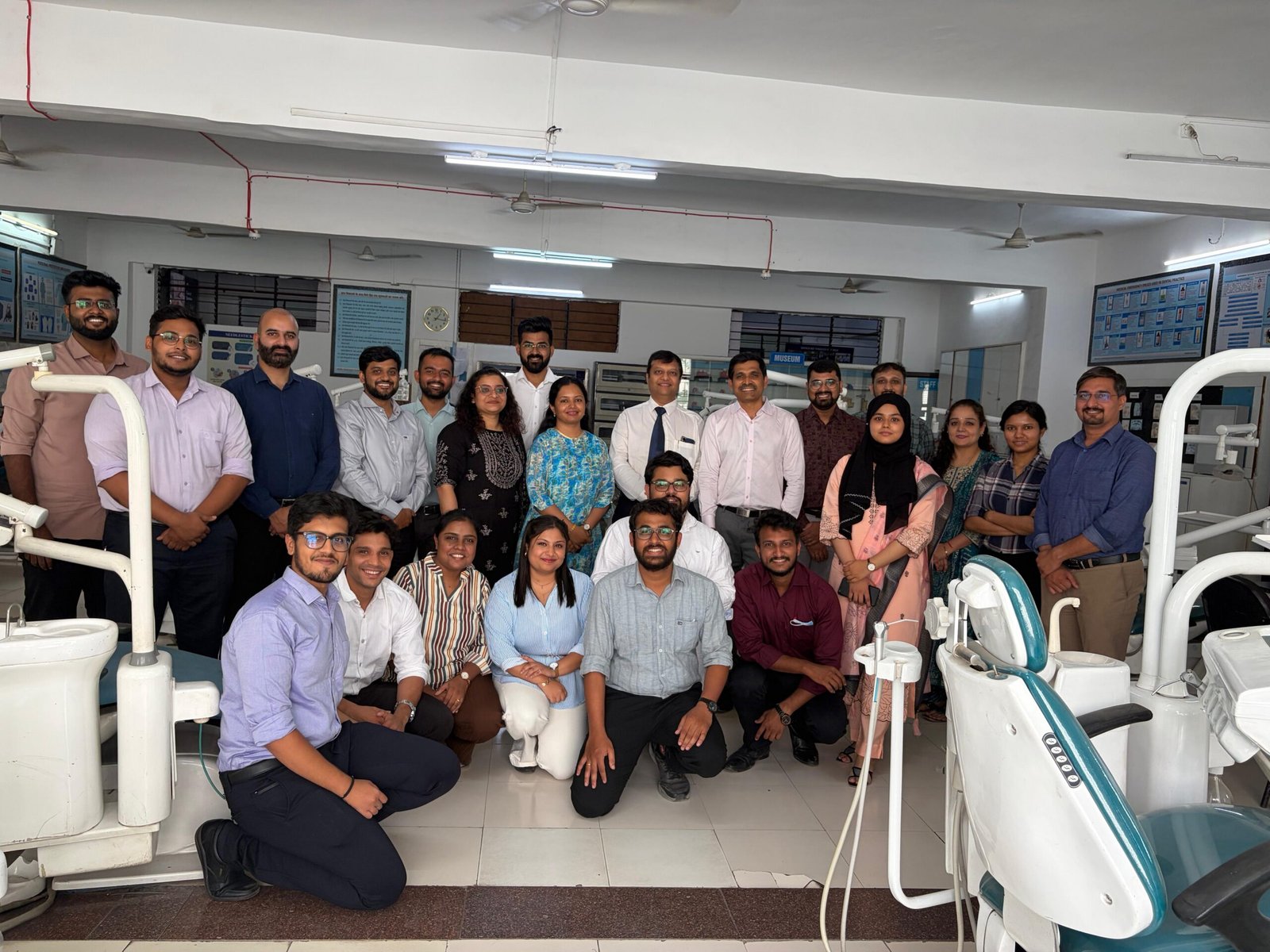
The total number of participants were 23 (14 students and 09 staff members).